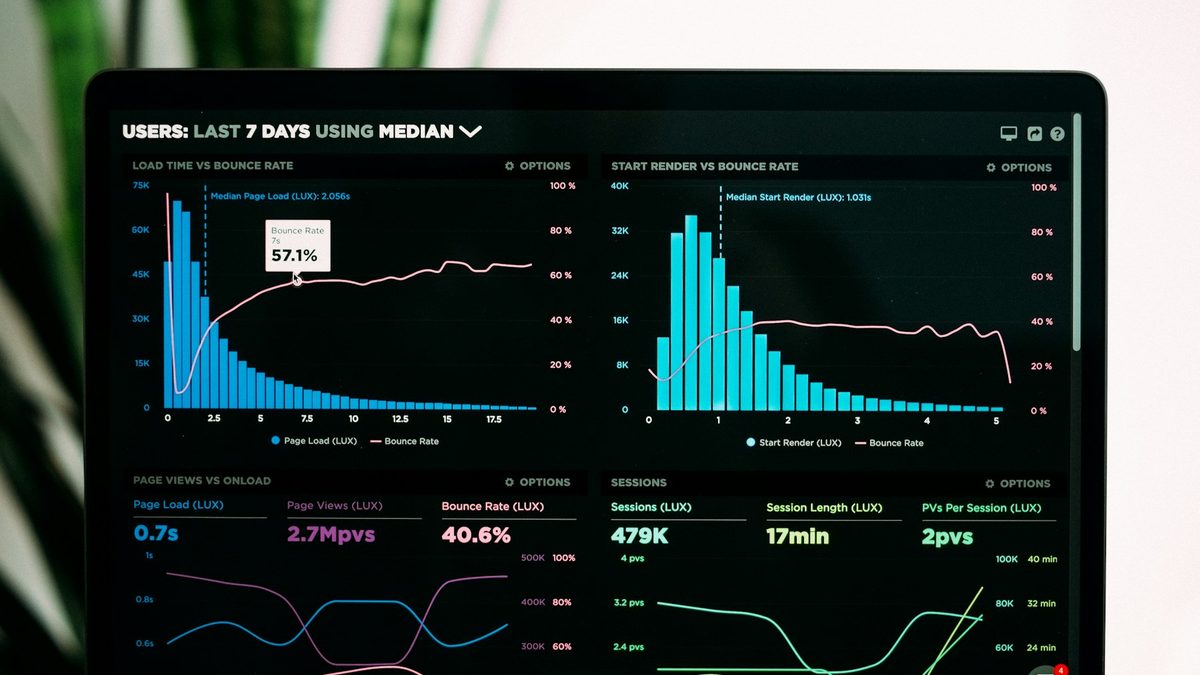
Free URL shortener with click tracking: a guide
What a URL shortener with click tracking can tell you, how to read the numbers honestly, UTM tags, redirects and the limits of free plans.
How Indian D2C brands can build an Instagram ad landing page that loads fast in the in-app browser, matches the ad and turns clicks into orders.
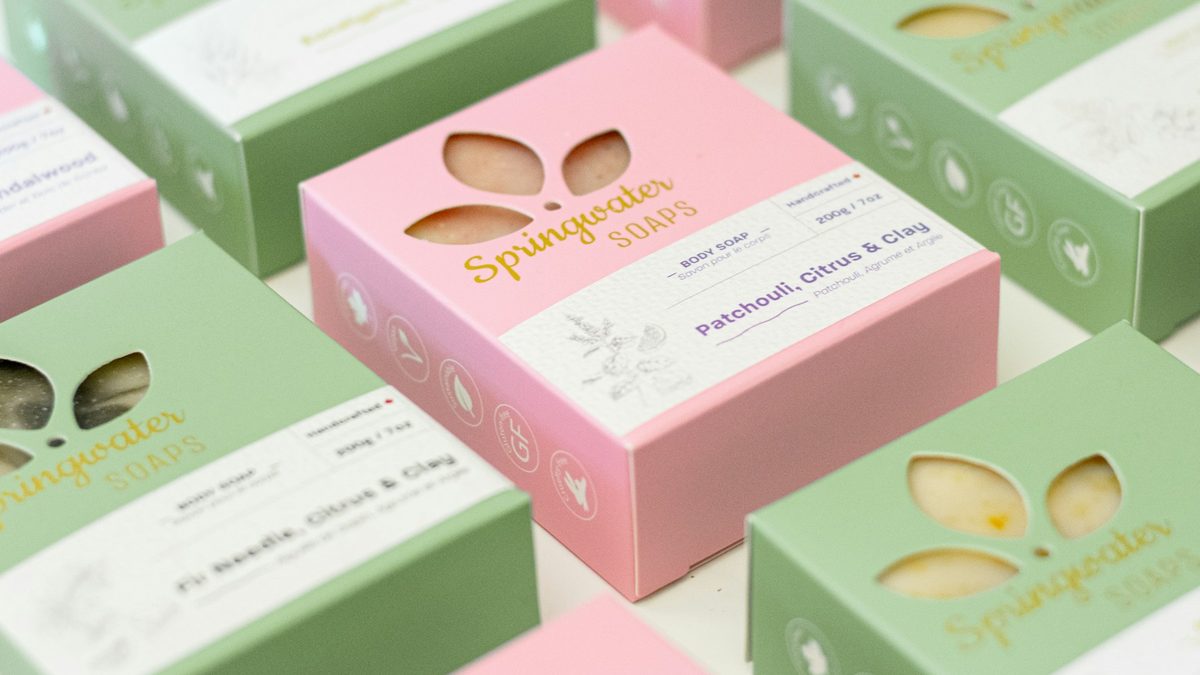
You can spend a week on an ad creative, get a click-through rate you are proud of, and still lose most of the money on the page the ad opens. For D2C brands in India the gap between ad and page is often where the budget leaks: a slow homepage, a collection of forty products when the ad showed one, a pop-up asking for an email before anything has loaded.
A landing page built for the ad fixes that. This guide covers what makes one work for Meta ads in India, from the in-app browser to tracking, with a structure you can copy.
When someone taps your ad on Instagram or Facebook, the page usually opens inside the app's own browser, not in Chrome or Safari. That has consequences.
The visitor is not signed in to your site and their saved addresses and cards may not fill in. They are often on mobile data. They have one thumb free and a very short attention span, because the feed they came from is one tap away. Anything that slows the first screen, asks for effort early or looks different from the ad sends them back.
So the page has three tasks: load fast, confirm that this is what the ad promised, and make the next step easy.
The first screen should look and read like a continuation of the ad. If the ad shows the rose gold watch at ₹2,499 with "Free shipping this week", the page should open on that watch, that price and that line, with the same photo or one from the same shoot. Visitors decide in a couple of seconds whether they landed in the right place. A homepage with a different hero banner makes them hunt, and most of them won't.
This is why one landing page per ad set (or per offer) usually beats sending everything to the homepage. It doesn't have to be a lot of work. Most of the page stays the same and only the top changes.
Keep anything that leads away from the purchase, like the full menu, the blog or the "About us", out of the way or off the page.
Every second the page takes to show something is a second for the visitor to change their mind. A few things matter far more than the rest:
For a single hero product, the shortest path to payment wins. Options that work well in India:
Cash on delivery is still common in Indian e-commerce. If you offer it, say so on the page, because buyers who prefer COD often won't tap through to find out. If you don't, say why prepaid is worth it, such as faster dispatch or a small discount.
Ads are only worth running if you can tell which ones sell.
Install the Meta Pixel on the landing page, and fire events for the actions that matter, like a tap on "Buy now" or a submitted form. Since Apple's App Tracking Transparency changes in 2021, browser pixels see less than they used to, so Meta also recommends its Conversions API, which sends events from your server or store platform. Shopify and most store platforms have a Meta integration that sets this up.
Tag every ad's link with UTM parameters, so that Google Analytics and your store reports know where visits came from. Meta can fill these in for you with dynamic parameters such as {{campaign.name}}, {{adset.name}} and {{ad.name}}, so each ad tags itself:
utm_source=instagram&utm_medium=paid&utm_campaign={{campaign.name}}&utm_content={{ad.name}}
One trap: if the landing page sends people on to your store, those tags and Meta's fbclid click ID are often lost on the way, and the sale shows up as "direct". The landing page has to pass them along to the links on it.
If you work with creators, give each one their own short link and discount code. Then you can see which creator drove sales as well as likes.
Once the page works, improve it in small steps. Change the headline, or the hero photo, or the button text, not all three at once. Let each version get enough visits to mean something before you judge it. For small budgets a week of traffic per version is a sensible minimum. Keep a simple note of what you changed and what happened, because six months later nobody remembers.
Bliink has landing page layouts for a product launch, a sale, a lead form, a bridge page before your store and an event sign-up. You can add Shopify product blocks that pull the product's details from your store and send buyers straight to checkout with a discount code applied, as well as WhatsApp order buttons, UPI payment, reviews, an FAQ and a countdown for limited offers.
For tracking, a page can carry your Meta Pixel and Google tag (on the Creator plan and above), and buttons can fire pixel events like add to cart or lead. With "Carry ad click details on to your links" switched on in the page settings, the UTM tags and click IDs from the ad are added to the links on the page, so your store still sees where the buyer came from. Form answers record the campaign they came from. On the Shop plan you can make one short link per ad or creator in a single step, each with its own tags and an optional discount code.
See Bliink for D2C brands for examples, or start free.
A landing page that matches the ad usually converts better than a homepage, because the visitor sees exactly what the ad promised without searching. Use the homepage for brand campaigns where browsing is the goal.
As fast as you can make it on a mid-range phone over mobile data. Aim for the product and button to be visible within two or three seconds, and check with PageSpeed Insights.
The pixel alone misses some events because of browser and phone privacy settings. Meta recommends using both. Most store platforms can set up the Conversions API through their Meta integration.
Give every creator a separate short link with their own UTM tags, and ideally their own discount code. Sales with that code or those tags belong to that creator.
Say what happens next, in the buyer's words: "Buy now for ₹999", "Order on WhatsApp" or "Get the free guide". Avoid vague labels like "Submit" or "Learn more".
Cover photo: Tarah Dane on Unsplash.
Product blocks, a lead form, your pixel and campaign links per ad or creator.
What a URL shortener with click tracking can tell you, how to read the numbers honestly, UTM tags, redirects and the limits of free plans.

How independent musicians in India can use one smart link for a new single or EP: what to put on it, pre-saves, and how to read the clicks.
What Indian creators should put on a link in bio page, in what order, and what to leave off, with examples for different kinds of creators.